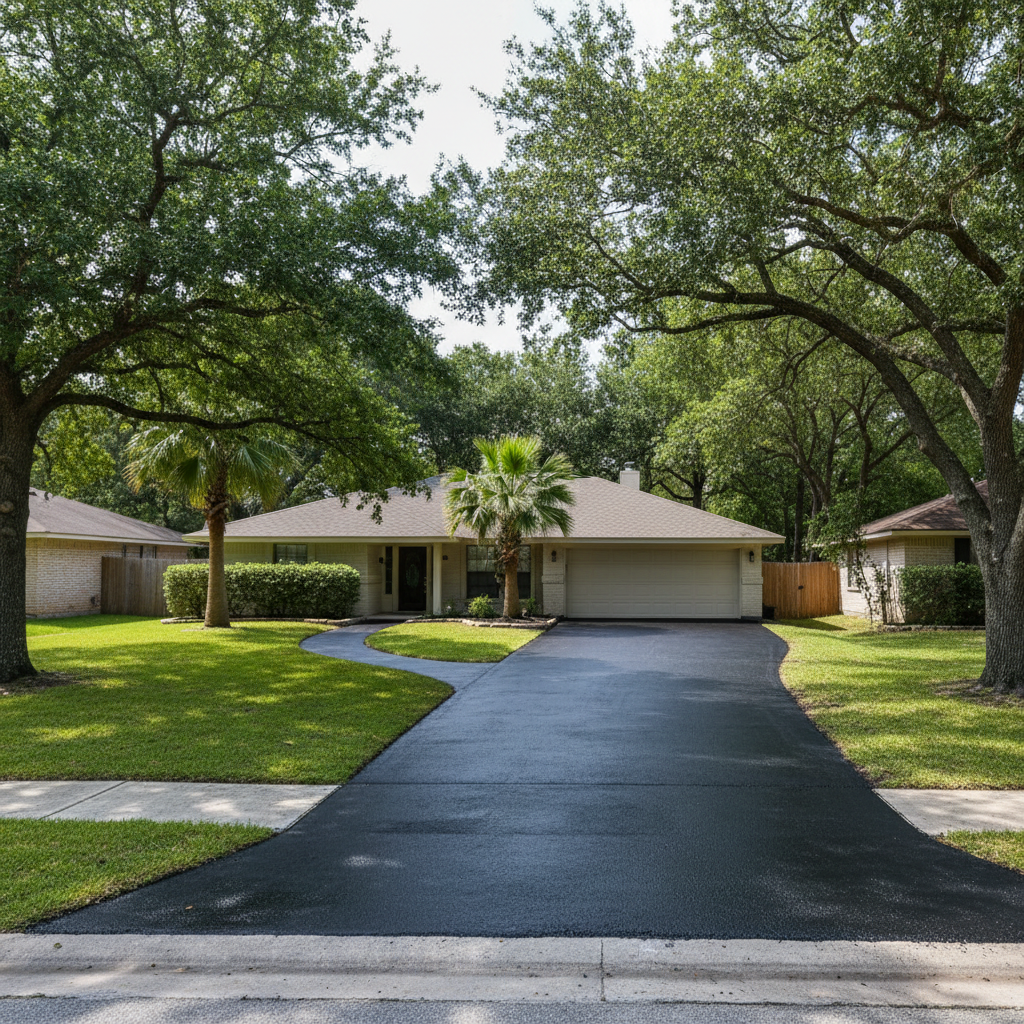
So, you’re thinking about slurry coating your driveway or parking area? That’s a smart move for protecting your asphalt, especially with our hot Victoria summers and those occasional heavy rains. But it’s not just about picking a date on the calendar; there’s a bit of planning involved to make sure everything goes smoothly and you get the best results. Let’s walk through what you really need to know.
Understanding Your Slurry Coat Timeline
When you’re planning a slurry coating project, the timeline isn’t just about the day we show up and do the work. Oh no, it starts much earlier than that. First, you’ll want to get a few quotes. Good contractors, like us at Pacific Asphalt Solutions, are often booked out a few weeks – sometimes even a month or two, especially during our busy season (spring and fall are popular here before it gets too brutally hot or cold). Don't expect us to show up tomorrow if you call today, unless you’re incredibly lucky and we have a cancellation.
Once you’ve picked your contractor and signed the agreement, there’s usually a lead time for scheduling. We need to watch the weather closely; slurry coating needs dry conditions, and it can’t be too chilly. If it’s been raining a lot, the ground might need extra time to dry out completely before we can even think about starting. We’re talking about actual work time here – the application itself usually takes a day or two for most residential driveways, depending on the size and prep work needed. But then comes the cure time. You absolutely cannot drive or park on a freshly applied slurry coat for at least 24-48 hours, sometimes longer if it’s humid or cooler outside. We’ll give you specific instructions, but rushing this will ruin the finish and, frankly, waste your money. So, factor in at least three to five days from start to full usability.
What Happens During the Process?
Alright, so what’s actually going to happen when we get there? First up is preparation. This is probably the most critical part, and it’s where a good contractor really shines. We’ll clean the surface thoroughly. That means blowing off loose debris, sweeping, and often power washing to get rid of dirt, oil, and anything else that might prevent the slurry from bonding properly. Any cracks or potholes will need to be addressed before the slurry goes down. Slurry coat isn't a miracle cure for structural issues; it's a protective layer. If you've got significant cracking, we'll discuss repair options first.
Once the surface is clean and dry, we’ll apply the slurry mixture. This isn't just a thin paint; it’s a blend of asphalt emulsion, aggregate (fine sand), water, and other additives. It goes on thicker than a typical sealcoat and provides a more durable, skid-resistant surface. We apply it evenly, often in multiple passes, to ensure full coverage and a consistent finish. You’ll see us using specialized equipment for this, not just a bucket and a squeegee. The smell can be a bit strong for a day or so, but it dissipates pretty quickly.
How You Can Prepare Your Property
Your part in this isn’t huge, but it’s important. Before our crew arrives, you need to clear your driveway completely. That means moving all vehicles, trailers, boats, basketball hoops, trash cans, and anything else that might be on or near the asphalt. If we’re doing a larger area, like a shared private road in a neighborhood such as the one near the Victoria Country Club, make sure your neighbors are aware and have moved their stuff too.
We also ask that you trim back any low-hanging branches or bushes that might get in the way of our equipment or make it hard to get a clean edge. If you have an irrigation system, please turn it off for at least 24 hours before we start and keep it off until the coat has fully cured. We don’t want any unexpected water messing up the fresh application. And finally, make sure any pets are secured and kids know to stay clear of the work area. Wet slurry is messy, and we want everyone to be safe.
Crucial Questions to Ask Before Signing a Contract
Before you commit to anyone, you’ve got to ask the right questions. Don’t be shy! Here’s what I’d want to know if I were in your shoes:
- What’s included in the quote? Does it cover all prep work, crack filling, and any necessary repairs, or are those extra? Be clear on the scope.
- What kind of materials are you using? Not all slurry mixes are created equal. Ask about the specific product and its expected lifespan.
- How long have you been doing this type of work in Victoria? Experience with our local conditions matters. Someone who knows how our soil and weather affects asphalt is a big plus.
- What’s your process for surface preparation? As I mentioned, this is key. You want to hear about cleaning, oil stain treatment, and crack sealing.
- What’s the curing time, and what are the restrictions during that period? Get clear instructions on when you can drive on it and what to avoid.
- Do you offer a warranty? A reputable contractor will stand behind their work. Ask what it covers and for how long.
- Can you provide references or show me examples of similar work? Seeing is believing, and talking to past clients can give you a lot of peace of mind.
- Are you licensed and insured? This is non-negotiable. You want to make sure you’re protected in case of any accidents or issues.
Asking these questions will help you pick the right contractor and ensure your slurry coating project goes off without a hitch. It’s an investment in your property, so take the time to plan it right.