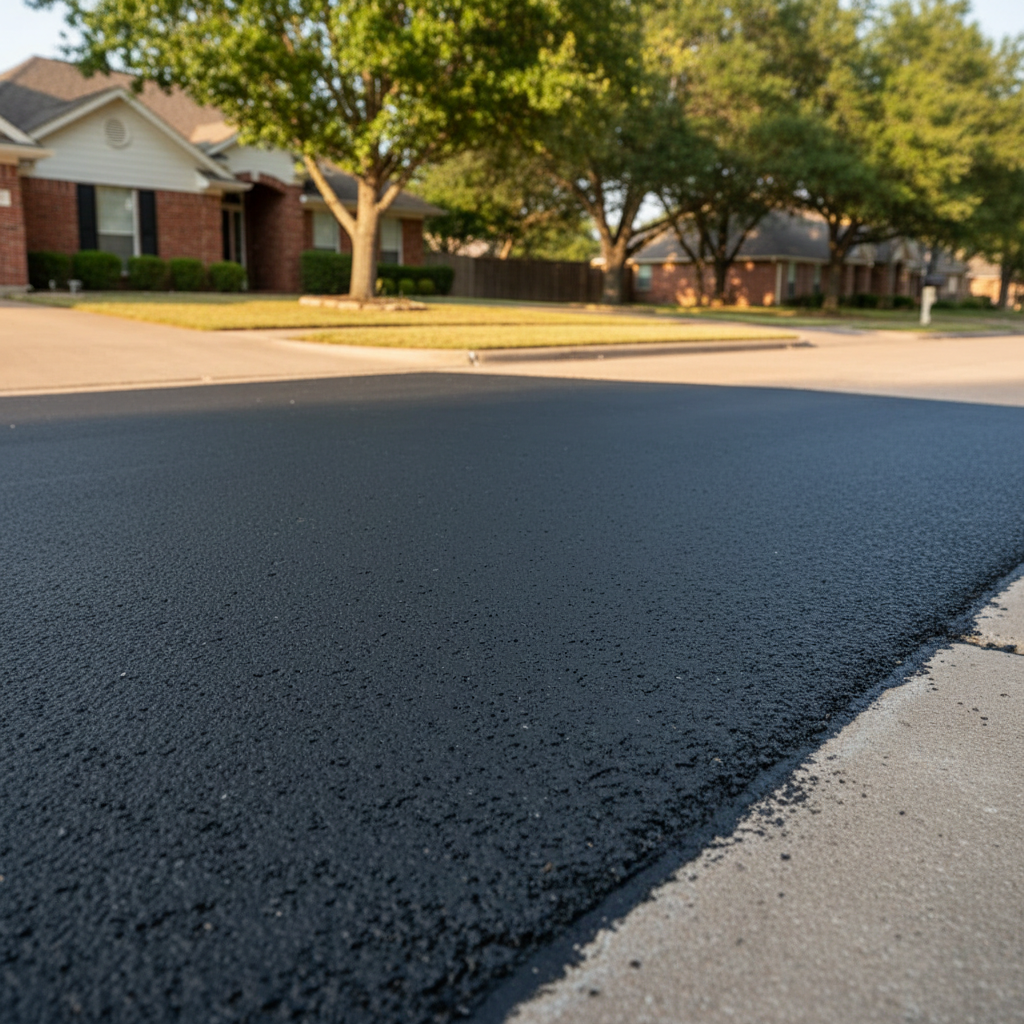
Driveway cracks can turn into severe damage in a short period of time. Homeowners in Victoria experience a constant battle against intense South Texas heat and stubborn clay soils that shift frequently. Pacific Asphalt Solutions receives many questions from property owners trying to figure out the best way to handle damaged pavement. We can look at some of the most common questions people ask us when they are trying to figure out what to do with their driveways.
Why do cracks keep coming back even after I fill them?
Spending a Saturday sealing up driveway cracks only to watch them split right back open a few months later is a very frustrating experience. Victoria expansive clay soil swells when it gets wet and shrinks dramatically during those dry and scorching summer months. That constant underground movement puts intense stress on your asphalt. If someone squirts store-bought filler into a crack without addressing why the base is moving, the ground beneath it is going to keep pulling the pavement apart.
How do I know if I need a simple patch or a total replacement?
Homeowners do not want to spend money unnecessarily, and nobody wants a brand-new driveway if a simple fix will work. Pacific Asphalt Solutions evaluates each property carefully during an inspection. If you have isolated cracks, minor surface wear, or a localized pothole where the surrounding pavement is still rock-solid, a patch is usually all you need. If your driveway resembles a dried-up lakebed with an interconnected web of alligator cracking, patching is not effective. Alligator cracking means the base underneath has failed completely, and surface patching will not save it.
Can I just fix potholes myself with bags from the hardware store?
You can grab a few bags of cold-mix asphalt from the local hardware store and shovel it into a hole. We see homeowners do this often. Cold-mix is essentially a temporary patch. Because it stays relatively soft, heavy vehicle tires will eventually track it out or push it right back out of the hole, especially when temperatures spike in Victoria, TX. If you want something that actually bonds with the existing pavement and stands up to traffic, you need hot-mix material properly compacted with the right equipment.
When is the best time of year to schedule asphalt repairs here?
Timing matters a lot more than most people realize. While Pacific Asphalt Solutions handles Asphalt Contractor services across Victoria year-round, the ideal window for major work is during the drier and milder months. Pouring or patching during heavy rain traps moisture where you do not want it, and extreme summer heat can sometimes make hot-mix asphalt cure too fast if you are not careful with compaction techniques. Spring and fall give us the ideal weather window to get materials set right without fighting the elements.
Will a repaired spot stick out like a sore thumb against my old driveway?
Fresh asphalt is jet black, while an older driveway that has baked under the Texas sun for ten years usually fades to a weathered gray. A brand-new patch is going to look darker at first. That contrast naturally softens up within a few months as UV exposure fades the new binder. If uniformity is important for your curb appeal, sealcoating the entire driveway shortly after the repairs cure is the best way to blend everything into a uniform, dark finish.
How long should a proper asphalt repair actually last?
A professional repair done on a stable base should easily hold up for several years, often lasting just as long as the surrounding pavement. If a patch fails in six months, either the base prep was skipped, the wrong material was used, or underlying drainage issues were not fixed. When we do a repair, Pacific Asphalt Solutions makes sure we dig down to what is actually causing the failure. Taking care of drainage and compacting the subgrade right the first time is the only way to keep you from dealing with recurring pavement damage.