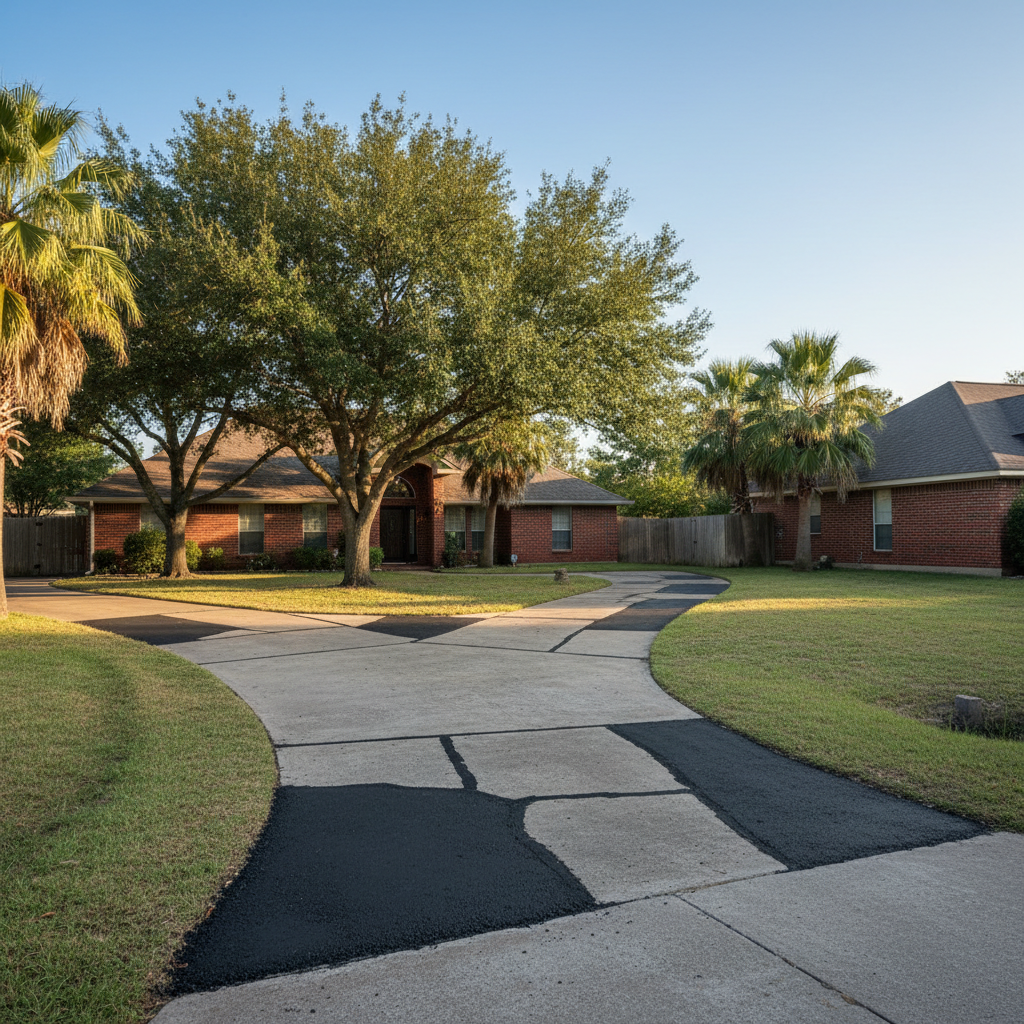
Got potholes? Cracks spreading across your driveway like spiderwebs after a hot Victoria summer? You're not alone. Asphalt patching isn't just about making things look better; it's about protecting your investment and preventing bigger, more expensive problems down the road. But if you've never hired someone for this kind of work, you might be wondering what's involved. Let's break it down.
Setting Your Project Timeline
First off, don't wait until a small crack becomes a crater. The sooner you address an issue, the simpler and cheaper the fix usually is. When you're thinking about timing, consider a few things:
- Weather: We've got pretty mild winters here in Victoria, but extreme heat or heavy rain can complicate things. Most patching work is best done when temperatures are consistently above 50°F and there's no rain in the forecast. That means spring and fall are often ideal. Summer can work, but those 100-degree days can make the asphalt too soft to work with effectively right after installation, and you'll want to avoid afternoon thunderstorms.
- Contractor Availability: Good contractors get booked up, especially during peak seasons. Don't expect to call on Monday and have them start on Tuesday. Plan to reach out a few weeks, maybe even a month or two, in advance.
- Your Schedule: You'll need to clear the area, and sometimes you won't be able to drive on the patched section for a day or two. Make sure the timeline works for your family's routine.
What to Expect During the Patching Process
Once you've got a contractor lined up, here's a general idea of what'll happen. It's not always a super quick job, but it shouldn't take forever either.
- Assessment & Prep: The crew will come out, look at the damage, and mark the areas that need work. They'll clean out any loose debris, dirt, or vegetation from the cracks and potholes. Sometimes they'll cut out square or rectangular sections around the damaged area to create a clean edge for the new asphalt. This is called 'cut and patch' or 'remove and replace.'
- Applying Tack Coat: This is a sticky, liquid asphalt binder. It's crucial because it helps the new asphalt adhere to the old, preventing future separation. Don't skip this step!
- Laying the New Asphalt: Fresh, hot asphalt mix gets poured into the prepared area. The crew will rake it out evenly.
- Compaction: This is where the magic happens. A vibratory plate compactor or roller presses the new asphalt down tight. Proper compaction is key for durability; it squeezes out air voids and bonds the new material.
- Curing: The asphalt needs time to cool and harden. Your contractor will tell you how long you need to stay off it – usually 24-48 hours for light traffic, sometimes longer for heavy vehicles.
How to Prepare Your Property
You can help make the job go smoothly. Before the crew arrives:
- Clear the Area: Move your cars, bikes, trash cans, planters, and anything else off the driveway or parking area.
- Trim Vegetation: If you've got bushes or tree branches hanging over the work zone, trim them back. It gives the crew room to work and prevents debris from falling into the fresh asphalt.
- Mark Sprinklers/Utilities: If you have any buried sprinkler heads, shallow utility lines, or invisible dog fences near the repair areas, mark them clearly with flags or paint. We try to be careful, but it's better to be safe than sorry.
- Contain Pets: Keep your furry friends inside or in a secure area away from the work. Hot asphalt and heavy machinery aren't good for them.
Key Questions to Ask Before You Sign
Before you commit to any contractor, you need to be clear on a few things. Don't be shy about asking these questions:
- What specific patching method will you use (e.g., cut and patch, infrared, skin patch)? Each has its place, and the right method depends on the type and severity of the damage. For example, a skin patch is a quick fix for minor surface issues, but for a deep pothole, you'll want a full cut and replace.
- What kind of asphalt mix do you use? You want a quality, durable mix.
- How do you prepare the base before patching? A solid base is critical. If the underlying material isn't stable, the patch won't last.
- What's the estimated timeframe for completion? Get a clear idea of when they'll start and finish.
- What's your warranty on the work? A reputable company like Pacific Asphalt Solutions will stand behind their work. Understand what's covered and for how long.
- Can you provide references from other Victoria homeowners? Hearing from past customers is always a good sign.
- Is your company licensed and insured? This protects you if there's an accident on your property.
- What's the payment schedule? Don't pay the full amount upfront. A deposit is common, but final payment should be due upon satisfactory completion.
Asking these questions upfront will save you headaches later. You want a durable repair that lasts, not something you'll have to redo next year. Take your time, do your homework, and you'll end up with a smooth, safe surface you can count on.