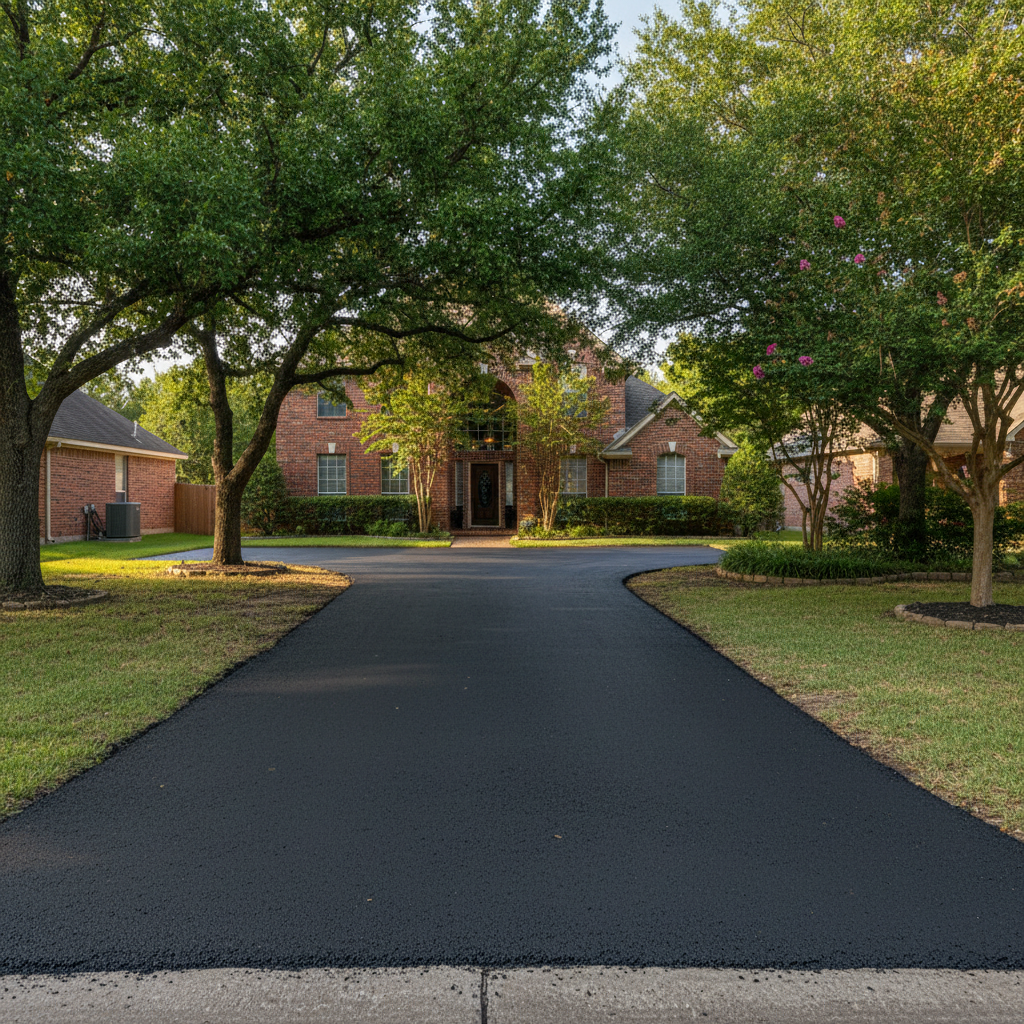
You want your driveway to last, right? Nobody wants to spend money on a new asphalt surface only to see it fall apart a few years later. The truth is, how long your driveway holds up here in Victoria, TX, has a lot to do with how you take care of it after we've laid it down. It's not just about the quality of the initial paving job; it's about what you do next.
Extending Your Driveway's Life: The Long Game
Think of your driveway like anything else you own that's exposed to the elements – it needs some ongoing attention. Here in Victoria, we get that intense summer sun, heavy downpours, and sometimes even those sudden freezes. All of that takes a toll. The biggest thing you can do to extend its life is pretty simple: keep it clean and protect it from heavy loads and chemicals.
- Watch the Weight: Try not to park super heavy vehicles, like RVs or commercial trucks, on your residential driveway for long periods. That constant, concentrated weight can cause depressions and cracks over time, especially when the asphalt is hot and a little softer. If you've got a boat or a trailer, consider moving it around every so often so the weight isn't always on the same spot.
- Chemical Spills are Bad News: Oil, gas, antifreeze, and other automotive fluids are asphalt's worst enemy. They break down the binders in the asphalt, turning it soft and crumbly. If you see a spill, clean it up immediately. Kitty litter or sand can absorb fresh spills; then just sweep it away. For older stains, there are specific asphalt-safe cleaners you can use, but act fast.
- Drainage is Key: Make sure water isn't pooling on your driveway. If you've got low spots where water sits after a rain, that's going to speed up deterioration. We always design for proper drainage, but sometimes things change – maybe a new flower bed or landscaping alters the flow. Keep an eye out for standing water; it's a sign of trouble.
Regular Maintenance: What You Can Do
This isn't rocket science, but it makes a huge difference. You don't need to be out there every day, but a little routine care goes a long way.
- Keep it Clean: Sweep off dirt, leaves, and debris regularly. Organic matter can hold moisture against the surface, and grit can act like sandpaper under tires. A leaf blower works great for this.
- Edge Control: Weeds and grass growing through the edges of your driveway aren't just an eyesore; their roots can push through the asphalt and cause cracks. Keep your edges trimmed and consider a weed killer (check that it's safe for asphalt) if you have persistent growth.
- Small Cracks, Big Problems: This is probably the most important thing. As soon as you see a small crack, fill it. We're talking about those hairline cracks, not huge potholes yet. Water gets into those cracks, freezes and expands (even here in Victoria, we get those cold snaps), and then turns a small crack into a big one. Crack filler is cheap and easy to apply. You can find it at any hardware store.
Warning Signs: When to Pay Closer Attention
Your driveway will tell you when it needs more than just a sweep and a crack fill. You just have to know what to look for.
- Alligator Cracking: This looks like a series of interconnected cracks, resembling an alligator's skin. It usually means the base layer is failing or there's significant fatigue from heavy loads. Once you see this, it's beyond simple crack filling.
- Potholes: These are obvious, but don't ignore them. A pothole starts small and gets bigger fast, especially with traffic and rain. It's a sign that water has gotten into the asphalt and eroded the base.
- Fading and Discoloration: Over time, the sun's UV rays will oxidize the asphalt, making it lose its rich black color and become more brittle. While sealcoating helps with this (and we've talked about that in other posts), significant fading can be a sign the surface is drying out and becoming more susceptible to damage.
- Standing Water: Again, if water isn't draining off your driveway, it's going to cause problems. It softens the asphalt and can lead to base erosion.
When to Call a Professional (Like Us at Pacific Asphalt Solutions)
Look, there's a lot you can do yourself, and I encourage it. But some jobs are just too big or too complex for a DIY approach. You should definitely call us if you see:
- Extensive Alligator Cracking: If a large section of your driveway looks like alligator skin, you're probably looking at needing a patch or even a resurface. Trying to just fill these cracks won't solve the underlying issue.
- Numerous or Large Potholes: A single small pothole? Maybe you can handle it. But if you've got several, or one that's getting pretty big, it's time for professional repair. We've got the right equipment and materials to ensure a lasting fix.
- Significant Sinking or Unevenness: If parts of your driveway are noticeably sinking or you're seeing big dips, that points to a problem with the sub-base. This needs professional assessment and repair to prevent further damage and ensure proper drainage.
- Drainage Issues You Can't Fix: If you've got standing water that's not going away, and you can't figure out why or how to fix it, we can come out, assess the grading, and recommend a solution.
- You Just Don't Have the Time or Tools: Hey, I get it. Life's busy. If you'd rather spend your weekend doing something else than patching asphalt, give us a call. We're here to help Victoria homeowners keep their driveways in top shape.
Taking care of your driveway isn't a one-and-done deal, especially with our South Texas climate. A little proactive maintenance now can save you a lot of headaches and money down the road. Keep an eye on it, address small issues quickly, and don't hesitate to call Pacific Asphalt Solutions when you need a hand with the bigger stuff.